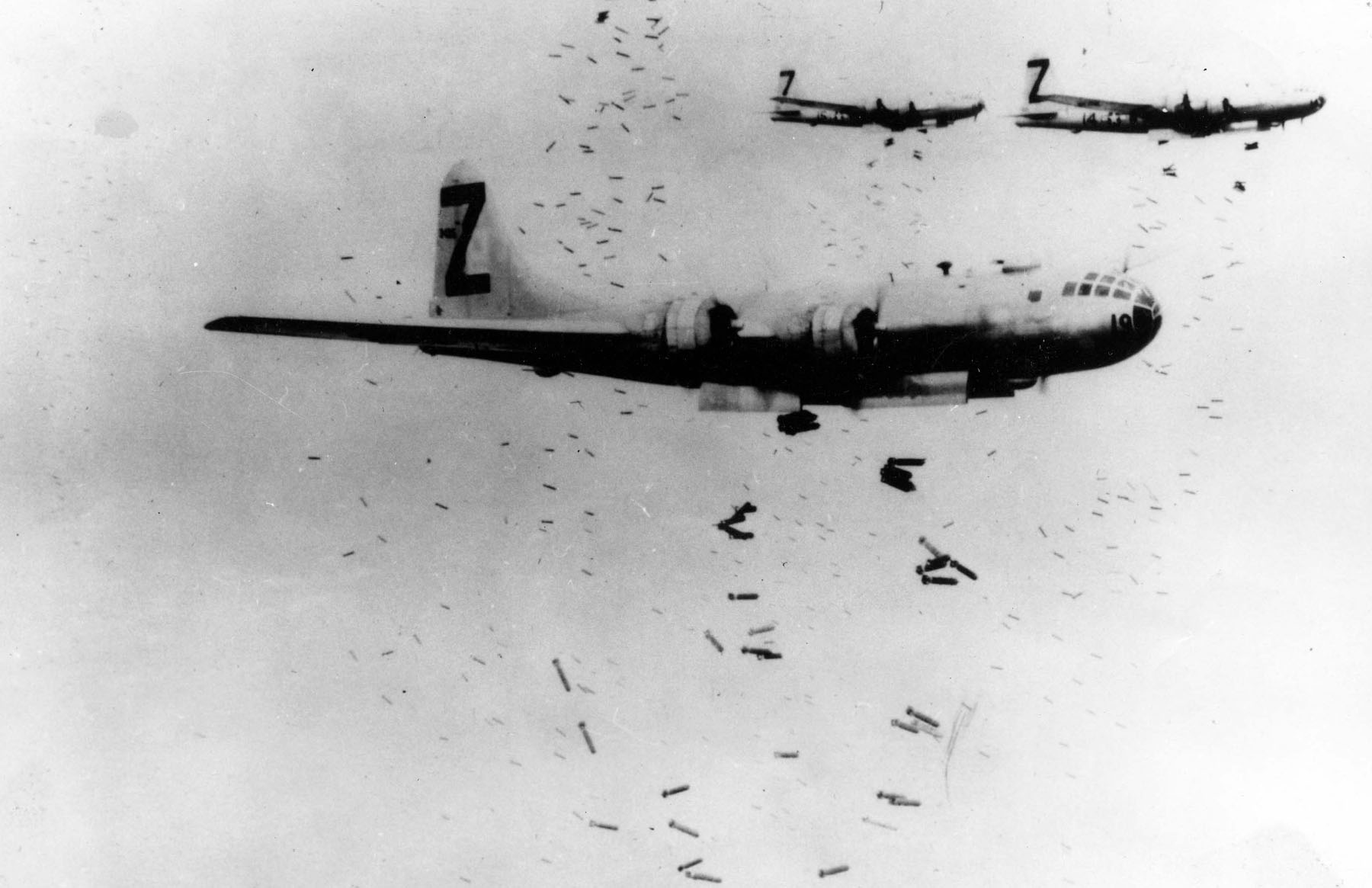
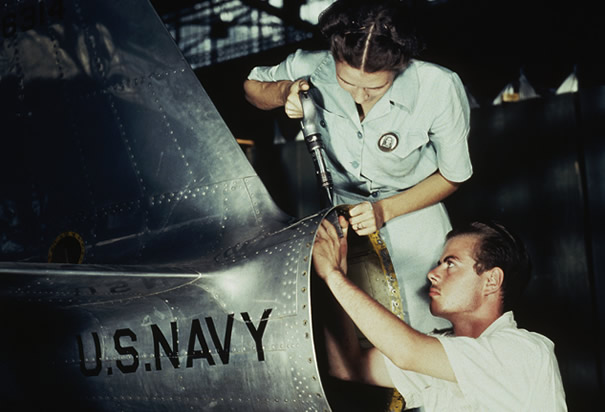
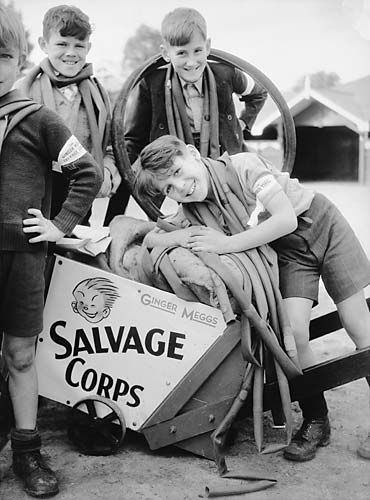
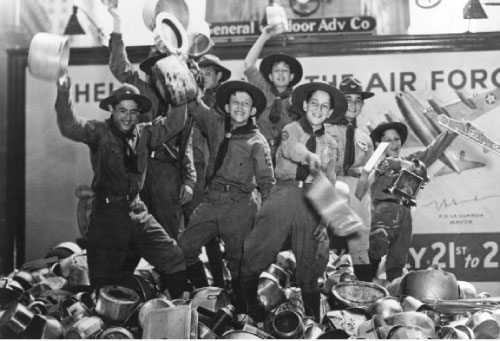
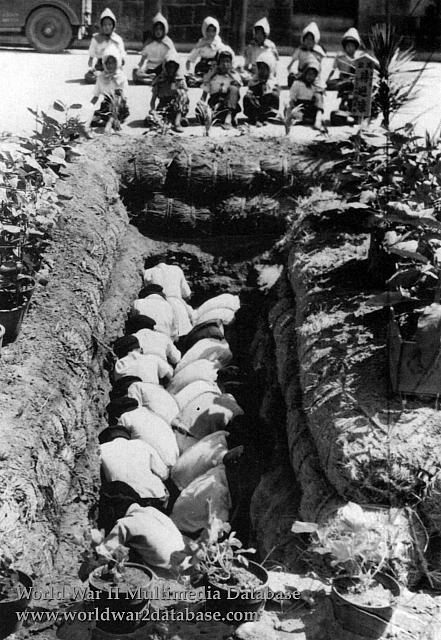
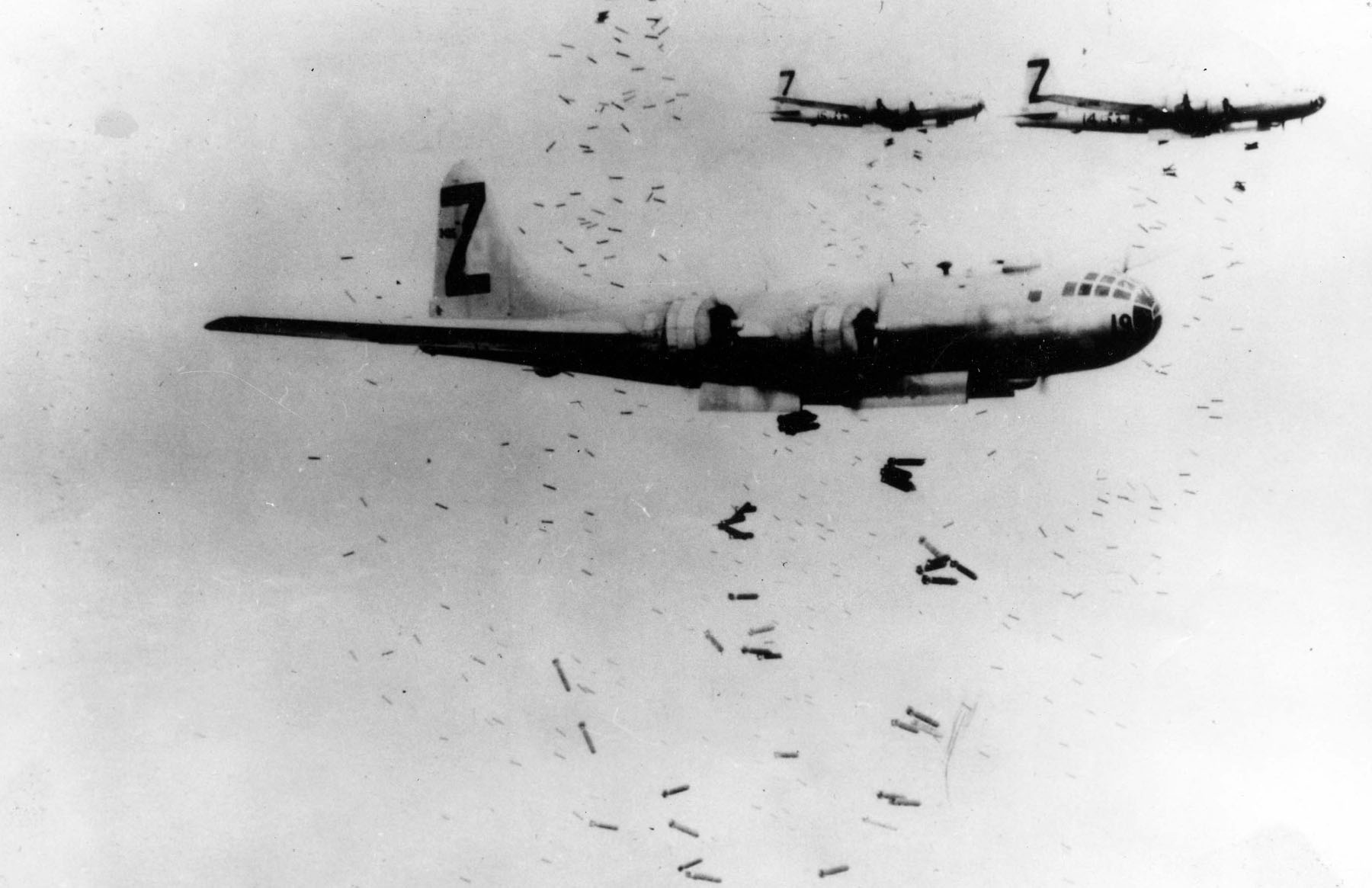
How were the Pacific homefronts (Japan, US, Australia/NZ) similar? 1. In both the US and Australia, many women joined auxiliary military forces (see primary sources on the USA and Australia pages). In the US, the WACS, WAVES, WASPS, and SPARS were created. In Australia, women joined the WAAAF, the AWAS, and the WRANS. 2. In all three countries, a huge labor shortage acted as a catalyst created because so many workers joined the armed forces. In other words, the vacancies caused by workers going to war acted as a catalyst for the entrance of women and minorities into the workforce (read more on the Australia, Japan, and USA pages). In the US, 6.5 million women entered the workforce during the war (many were housewives working in factories; a woman factory worker is shown right). African Americans filled northern factory jobs, and Mexican Americans were employed in the Bracero Guest-Worker Program (braceros shown right). In Japan, over 1 million rural civilians began work in urban factories and permanently moved to the city. In New Zealand, manpower regulations were introduced so that the government could direct workers where they were needed. 38,000 women in New Zealand were sent to work as a result of these regulations (an Australian woman packing ammunition is shown right). 3. Also in all three nations, children played a role. In Australia, kids collected newspapers, tires, bottles, and anything else that could be recycled for the war effort (right). In the US, groups like the Boy Scouts held scrap metal drives (right), and many teenagers entered the workforce. Japan mobilized children through the school system. Summer vacation was replaced by the "summer training period", which mostly consisted of volunteer work. Many schoolchildren were put to work through their schools, but they were not very productive (see the Japan page for an image of schoolgirls learning to use a lathe). | How did the Pacific homefronts differ? 1. The Japanese homefront was unique because of its neighborhood organizations (read more on the Japan page). These organizations were a way for the government to reach all of society and ensure that wartime directives were followed (see photo of a neighborhood organization above). 2. The US didn't have to worry about air raids. Australia, on the other hand, was subjected to air raids and issued a series of air raid precaution instructions that were given to newspapers (see an image of official air raid instructions on the Australia page). There were also air raids on Japan beginning in 1945 (an image of the bombing of Yokohama City is shown above). Many lives were lost as a result of the air raids. |